


Sign In / Sign Up To Add Wishlist
Wishlist is available for members only. Please sign in or sign up to add your wishlist.
What Can I Claim on Tax? 2026 Deductions Guide

When the end of the Australian financial year approaches, many of us start sorting through shoeboxes of receipts, scrolling through bank statements and wondering exactly how to get the best possible outcome on our tax return and navigating the Australian Taxation Office (ATO) rules can sometimes feel overwhelming.
However, understanding exactly what you can claim on your tax return doesn't have to be confusing. The secret to maximising your tax refund while staying entirely compliant lies in knowing the rules, understanding how to record your expenses and knowing what to do when you misplace a receipt.
In this comprehensive guide, we’ll walk you through everything you need to know about work-related expenses. We’ll cover the ATO’s golden rules, explain exactly what you can claim on tax without receipts in Australia, break down the home office deductions available to you and explore exactly what office equipment you can claim to make your workday more productive.
Disclaimer: This content is provided for general informational purposes only and should not be relied on as professional tax advice. As tax laws and eligibility requirements may change, please check the latest information from the ATO and consult a registered tax agent or accountant for advice tailored to your situation.
The ATO’s Three Golden Rules for Work-Related Expenses

Before you start adding up your office stationery or calculating your car expenses, it’s crucial to understand how the ATO views tax deductions. For any expense to be legitimately claimed on your tax return, it must pass the ATO’s three golden rules. Keeping these at the top of your mind will help you avoid common mistakes and ensure your tax time is as stress-free as possible.
1. You must have spent the money yourself
To claim a deduction, you must have incurred the expense out of your own pocket. If your employer purchased the item for you, or if you bought it and your employer reimbursed you for the exact cost, you can’t claim it on your tax return. The expense must be a genuine cost to you that has left you out of pocket.
2. The expense must directly relate to earning your income
The item or service you’re claiming must have a direct connection to how you earn your salary or business income - you can’t claim personal expenses. If an item is used for both work and personal purposes such as a home internet connection, a personal mobile phone or a home printer - you can only claim the work-related portion. You must apportion the cost based on your actual work usage.
3. You must have a record to prove it
In most cases, this means having a valid receipt or tax invoice. However, the ATO does have specific exceptions to this rule, which we’ll explore in detail below. Even when a formal receipt is not required, you still need to be able to show how you calculated your claim and prove that the money was spent.
What Can I Claim on Tax Without Receipts in Australia?

One of the most common questions Australians ask during tax time is, "What can I claim on tax without receipts?" It’s a common misconception that if you lose a receipt, you completely lose the right to claim a legitimate work expense. While keeping receipts is always the safest and most reliable approach, the ATO provides a few practical allowances for small expenses where a formal receipt might be difficult to obtain or keep track of.
The $300 Work-Related Expense Rule
If your total claim for work-related expenses across the entire financial year is $300 or less, you don’t need to provide written evidence (such as a receipt) for these claims.
However, this isn't a free $300 deduction that everyone is automatically entitled to. You must have actually spent the money, and it must be directly related to your job. If the ATO asks, you need to be able to explain exactly what you bought, when you bought it, how much it cost and how it relates to your income-earning activities. Even without a receipt, having a diary note, a bank statement or a credit card record is highly recommended to substantiate your claim.
Small Work Expenses (Under $10)
If you have small, individual work-related expenses that cost $10 or less - and the total of these small expenses does not exceed $200 for the entire income year - you don’t necessarily need a receipt. You do, however, need to keep a written record. A diary entry detailing the date, the item purchased, the cost and the supplier will suffice for these minor expenses.
Laundry Expenses (Up to $150)
If you wear a compulsory uniform, occupation-specific clothing, or protective workwear, you can claim the cost of washing, drying, and ironing these items. If your laundry claim is $150 or less, you don’t need to keep receipts for your washing expenses.
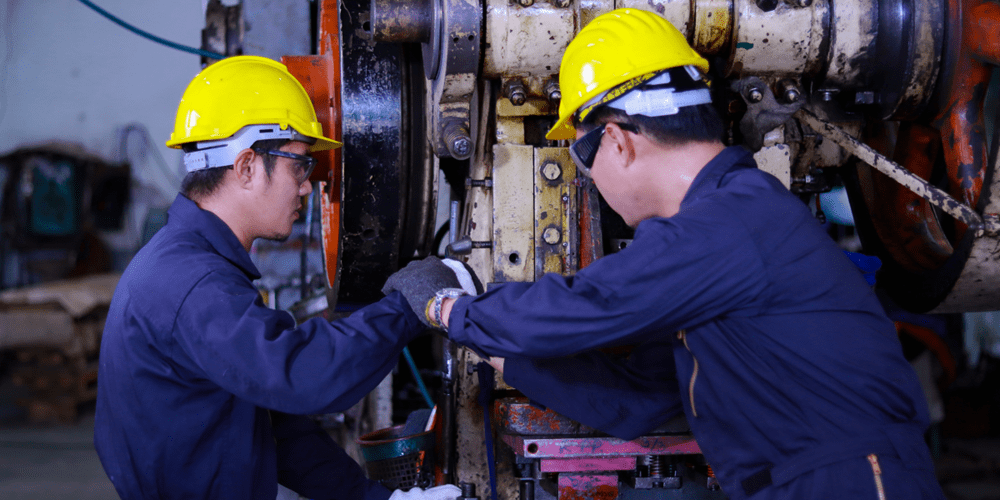
Instead, the ATO allows you to calculate your claim at a rate of $1 per load if the load contains only work clothing, or 50 cents per load if you’re mixing work clothing with personal laundry. You must keep a record (such as a diary for a typical four-week period) to show how you calculated the number of washes over the year.
Working From Home: How to Claim Your Home Office Expenses
Since remote and hybrid working arrangements have become the norm for many Australians, claiming home office expenses has become a major focus at tax time. The ATO recognises that working from home incurs additional running costs, such as electricity, internet and office supplies.
To simplify the process of claiming these costs, the ATO currently offers two methods for calculating your working-from-home deductions. You can choose the method that gives you the best result, provided you meet the record-keeping requirements for that specific method.
The Fixed Rate Method (70 Cents Per Hour)
The revised fixed rate method allows you to claim 70 cents for every hour you work from home during the financial year. This rate is designed to cover a bundle of common household expenses that are difficult to separate, including:
- Electricity and gas used for heating, cooling, and lighting
- Home and mobile internet expenses
- Mobile and home phone usage
- Stationery and printer supplies (like paper and ink)
If you use the fixed rate method, you can’t claim any separate, additional deductions for the items listed above. The 70 cents covers them all.

Record-keeping requirement: To use this method, you must keep a record of all the hours you worked from home for the entire financial year. A typical four-week diary is no longer acceptable for this method; you need exact records, such as timesheets, rosters or a dedicated logbook for the full year.
The Actual Cost Method
The actual cost method allows you to claim the exact work-related portion of your actual home office expenses. This method is often more complex but can result in a higher deduction for some people, especially those with high utility bills or significant dedicated home office spaces.
Using this method, you can claim the work-related percentage of:
- Electricity and gas
- Phone and internet bills
- Stationery and computer consumables
- Cleaning costs (if you have a dedicated home office room)
Record-keeping requirement: You’ll need to keep all your bills, receipts and a record of your work hours, plus a diary for a representative four-week period showing how you calculated the work-related percentage of your household expenses.
What Office Equipment Can I Claim on Tax?
In addition to working-from-home running expenses, you may be able to claim the work-related cost or decline in value of office equipment, computers and office furniture you use to perform your job. Where an item is used for both work and private purposes, you need to apportion your deduction.
Office Technology
When you purchase devices to help you work, these are considered legitimate ATO-claimable work expenses. You can claim the work-related portion of:
- Printers: Whether it's a dependable laser printer or a versatile inkjet multi-function printer for your home office or small business
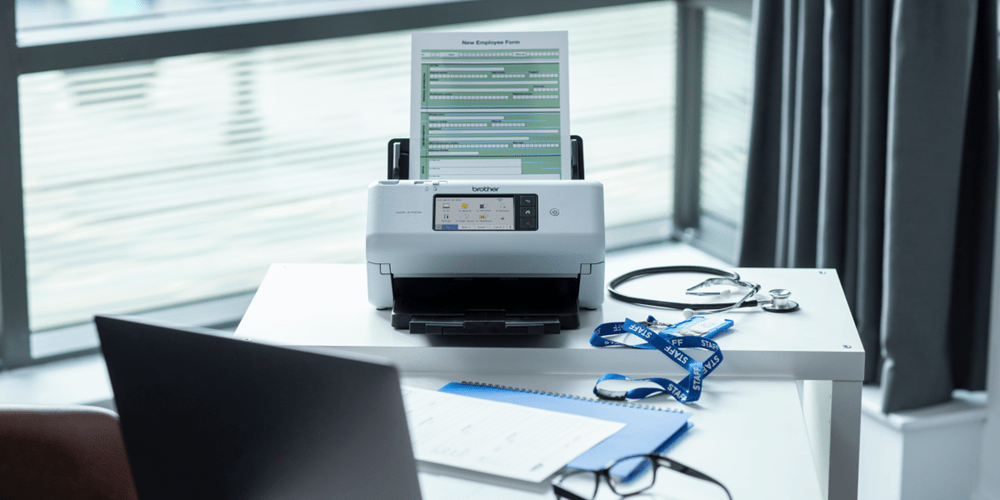
- Scanners: Essential for digitising records, sending physical documents to clients and maintaining a paperless filing system
- Label Printers: Highly practical for operations teams, home businesses managing shipping or anyone needing to keep physical files and assets strictly organised
- Computers and Laptops: The central hub of your remote work setup
- Monitors, Keyboards and Mice: Ergonomic setups required for long hours of screen time
When purchasing technology, always remember that reliable, high-quality equipment will serve you better over the long term. Dependability is key when working remotely.
Office Furniture

In addition to technology, the physical furniture you need to maintain a safe and productive workspace is also deductible. This includes:
- Office desks and ergonomic chairs
- Filing cabinets and bookshelves
- Desk lamps
If a piece of furniture is used by other family members for personal reasons (like a shared study desk), you must calculate the percentage of time it’s used exclusively for work and only claim that portion.
Understanding Depreciation vs. Immediate Write-Offs
When you purchase office equipment, technology or furniture, the way you claim the cost depends on the purchase price of the item. The ATO has strict rules regarding the difference between an immediate deduction and depreciation.
Items Costing Under $300
If you purchase an item of office equipment or furniture for your work, and the total cost is $300 or less, you can claim an immediate, full deduction for the work-related portion of that item in the financial year you bought it.
For example, if you buy a high-quality label printer for $150 and use it 100% for your small business despatch operations, you can claim the full $150 on your tax return for that year.
Items Costing Over $300
If the equipment costs more than $300, you generally can’t claim the entire cost in one go (unless specific small business instant asset write-off rules apply to your business structure). Instead, you must claim the decline in value (depreciation) over the item's effective life, as determined by the ATO.
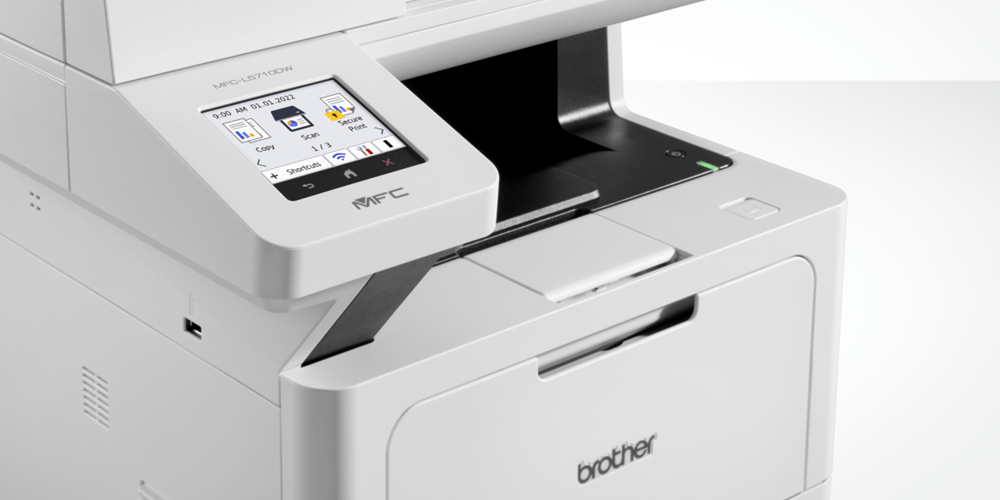
For instance, if you purchase a premium multi-function laser printer like the MFC-L5710DW for $600 and use it 80% for your employment and 20% for personal use, You’ll claim the depreciation on that 80% work-related portion over the printer's effective life (typically several years).
For eligible small businesses, separate simplified depreciation and instant asset write-off rules may apply. The ATO has published a $20,000 instant asset write-off for 2025–26 for eligible businesses, but thresholds and eligibility conditions can change, so this should be checked against the current business guidance.
Note: Small business owners should always consult with a registered tax agent to understand the current instant asset write-off thresholds, as these government policies change frequently.
Other Common Tax Deductions You Can Claim
Beyond the home office, there are several other categories of work-related expenses that you might be eligible to claim on your tax return.
Vehicle and Travel Expenses
You can claim the cost of travelling for work, such as driving between different job sites, travelling to client meetings, or running work-related errands. You generally can’t claim the commute between your home and your regular place of work.
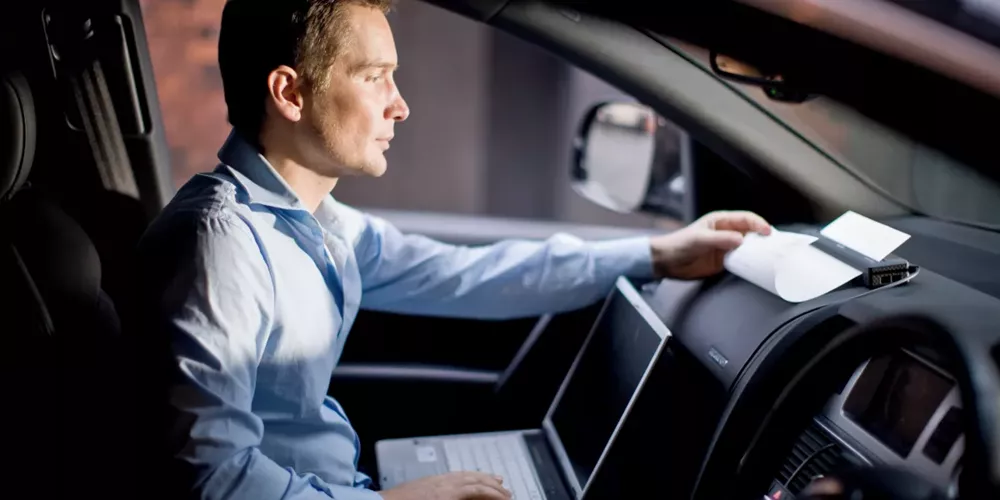
To claim car expenses, you can use the cents per kilometre method (which covers all vehicle running costs up to a maximum of 5,000 work kilometres per year) or the logbook method (where you claim the work-related percentage of your actual fuel, insurance, servicing, and depreciation costs based on a continuous 12-week logbook).
Occupation-Specific Clothing and Union Fees
As mentioned earlier, if you’re required to wear a distinctive uniform featuring your employer’s logo, occupation-specific clothing (like chef's checked pants), or protective gear (like steel-capped boots or high-vis vests), the purchase cost is deductible.
Additionally, if you’re a member of a trade union or a professional association related to your current employment, your membership fees and union dues are fully tax-deductible.
Self-Education Expenses
If you undertake study that is directly connected to your current role - meaning it maintains or improves the specific skills required for your job, or is likely to result in an increase in income from your current employment - you can claim your course fees, textbooks, and relevant travel costs. You can’t claim education expenses designed to help you get a new job in a completely different field.
How to Keep Your Tax Records Organised
The key to a smooth, stress-free tax return is rigorous record-keeping throughout the financial year. Waiting until late June to find fading receipts in the glovebox of your car is a recipe for missed deductions and potential compliance issues.
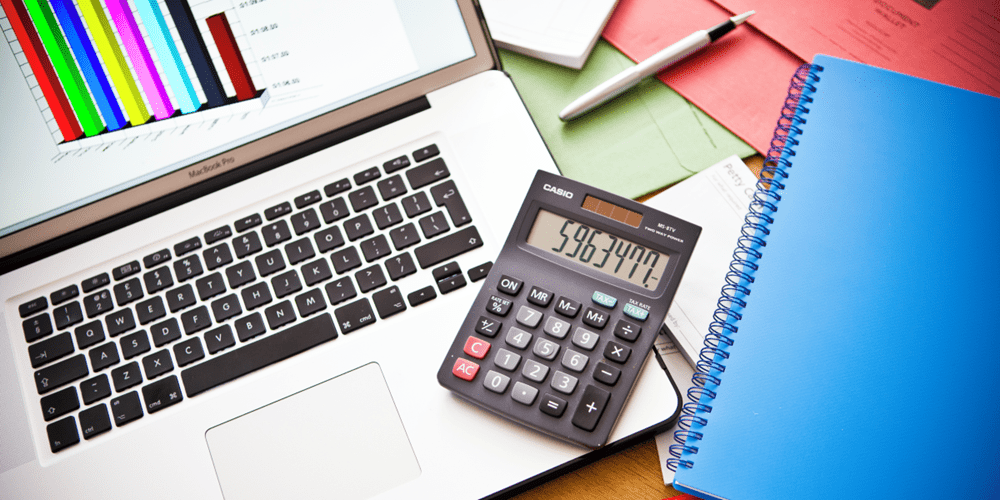
To stay organised:
- Use the ATO myDeductions tool: This free tool within the ATO app allows you to take photos of your receipts, record your work-from-home hours, and log your car trips as they happen. At tax time, you can upload this data directly into your tax return or email it to your tax agent.
- Keep digital copies: Thermal receipts fade over time. The ATO accepts clear, legible digital photos or scanned copies of your receipts.
- Use bank statements wisely: While a bank statement alone isn't always enough to prove exactly what was purchased, it’s a crucial piece of evidence to prove that a transaction occurred, which supports your claim when using the under $300 or small expense rules.
Frequently Asked Questions
Can I claim a printer on tax?
Yes, absolutely. If you purchase a printer to use for your work or small business, it’s a legitimate work-related expense. If the printer costs $300 or less (like the MFC-L2800DW Mono Laser Multi-Function Printer or the MFC-J4355DW INKvestment Colour Multi-Function Printer) you can claim an immediate deduction for the work-related portion. If it costs more than $300, you claim the depreciation over its effective life. Remember, you must apportion the cost if family members also use it for personal tasks like schoolwork.
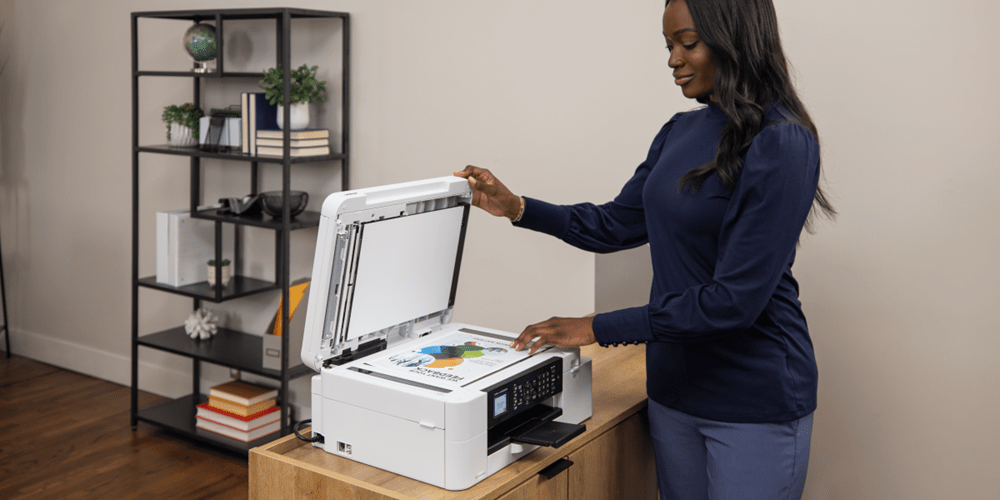
If you’re looking for dependable, efficient office technology that will easily handle your work-from-home needs, you can explore our reliable range of Brother printers to find the perfect fit for your home office or business.
What is the most overlooked tax deduction?
Many people overlook the smaller, recurring expenses that add up over time. Union fees, the cost of protective sun cream for outdoor workers, minor home office stationery and the work-related portion of a personal mobile phone bill are frequently forgotten. Keeping a daily logbook or using a digital app throughout the year is the best way to capture these overlooked costs.
What is the $1000 instant tax deduction?
There is no universal "$1000 instant tax deduction" for individuals. This term is often confused with various small business asset write-off thresholds or historical tax offsets (like the low- and middle-income tax offset, which has now ended). Always refer to current ATO guidelines or speak to a registered tax agent to understand exactly what offsets and write-offs apply to your specific financial situation.
Make the most of your home office claims with Brother
Maximising your tax refund comes down to knowing the rules, understanding what office equipment and running costs you can legally claim and keeping accurate records.
By outfitting your home office with reliable technology like dedicated printers and scanners from Brother, and carefully tracking your work-related use, you can confidently lodge your tax return and ensure you get back every dollar you’re entitled to.
Comments

Choosing a secure printer
Choosing a secure office printer? Compare security features, access controls and Managed Print Services options for small, medium and large businesses.

Best Office Printers
Compare the best office printers from Brother for small teams, busy workgroups and corporate fleets, and learn when Managed Print Services may be a better fit than relying on one device.
What's the Best Printer for Small Business?
Find the best printer for small business. Compare inkjet, laser and A3 printers based on your team, workload and office needs.

Resource Library
Explore our range of eBooks, Whitepapers & Case studies
Be the first to receive ongoing exclusive offers and the latest news on our products and services directly in your inbox!